

Slippery Elm: The Gentle Healer for Digestive Wellness
In the world of herbal medicine, few plants offer the soothing, gentle support that slippery elm provides. Derived from the inner bark of the slippery elm tree (Ulmus rubra), this remarkable herb has been treasured for centuries as a trusted remedy for digestive concerns and inflammatory conditions. Its unique mucilaginous properties—creating a slippery, gel-like substance when mixed with water—make it one of nature's most effective soothers for irritated tissues throughout the body.
The History of Slippery Elm
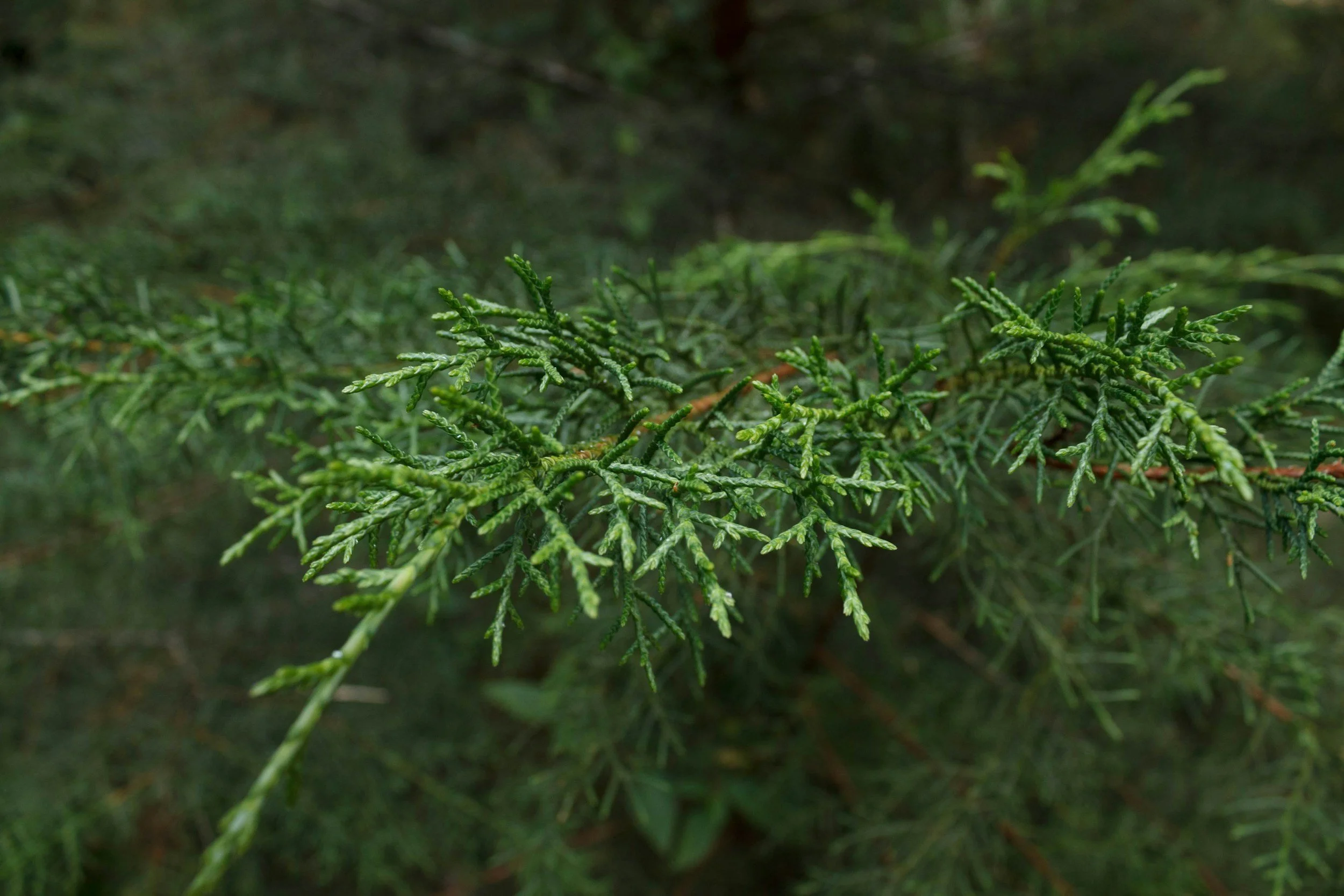
Native to the eastern and central regions of North America, slippery elm has deep roots in indigenous healing traditions. Native American tribes including the Iroquois, Cherokee, and Ojibwa recognized the tree's medicinal value long before European settlers arrived. They used the inner bark for wounds, digestive issues, sore throats, and as a nourishing food during times of scarcity.
The bark was so valued that it became a survival food, ground into flour and made into porridge or gruel. This practice sustained people through harsh winters and times of illness when other foods were difficult to digest. Colonial Americans quickly adopted slippery elm into their own medicinal practices, and by the 19th century, it had become a staple in American pharmacies and home medicine cabinets.
During the Revolutionary War, George Washington's troops at Valley Forge reportedly survived in part on slippery elm gruel when food supplies ran dangerously low. This speaks to both its nutritional value and its gentle nature, making it ideal for compromised digestive systems.
Understanding Slippery Elm's Unique Properties
The magic of slippery elm lies in its mucilage content—a complex mixture of polysaccharides that becomes slippery and gel-like when combined with water. This mucilage coats and soothes irritated tissues, creating a protective barrier that allows healing to occur. The inner bark also contains antioxidants, including phenolic compounds and other beneficial substances that contribute to its therapeutic effects.
When harvested sustainably, the inner bark is carefully removed, dried, and ground into a fine powder that can be used in various preparations. The powder has a mildly sweet, slightly woody flavor that most people find pleasant and easy to consume.
Health Benefits of Slippery Elm
Digestive System Support
Slippery elm's most celebrated use is for digestive wellness. The mucilage coats the entire digestive tract from mouth to intestines, providing relief and protection. It may help soothe occasional heartburn and acid reflux by coating the esophagus, ease digestive discomfort and cramping, support healthy bowel function and regularity, calm irritated intestinal tissues, and nourish beneficial gut bacteria as a prebiotic fiber.
Many people with sensitive digestive systems find slippery elm to be gentle enough for daily use while still providing meaningful support.
Throat and Respiratory Comfort
The same soothing properties that benefit the digestive system also provide relief for the throat and upper respiratory tract. Slippery elm is excellent for soothing sore throats and irritated vocal cords, easing dry coughs by coating throat tissues, supporting comfortable breathing during respiratory challenges, and providing relief for singers, teachers, and others who use their voices extensively.
Traditional lozenges containing slippery elm have been used for generations to calm throat irritation and support vocal health.
Inflammatory Support
Slippery elm's mucilage doesn't just coat tissues—it also helps reduce inflammation. This makes it valuable for various inflammatory conditions throughout the body, supporting healing of irritated or inflamed tissues, reducing discomfort associated with inflammation, and promoting a balanced inflammatory response.
Skin Health
Applied topically, slippery elm can help soothe and protect irritated skin. The mucilage creates a protective barrier while supporting the skin's natural healing processes. It's traditionally been used for minor burns, wounds, rashes and skin irritations, drawing out splinters, and supporting healthy skin tissue regeneration.
Nutritional Support
Beyond its medicinal properties, slippery elm provides gentle nutrition. It's easily digestible and has historically been used as a food for those recovering from illness or unable to tolerate regular meals. The bark contains small amounts of vitamins and minerals and provides gentle, easily absorbed nourishment during times when the digestive system needs extra care.
How to Use Slippery Elm
Slippery Elm Tea
Making slippery elm tea is simple. Mix one teaspoon of slippery elm powder with a small amount of cold water to create a paste, then add one cup of hot (not boiling) water and stir well. Let it sit for a few minutes to thicken. The resulting beverage has a smooth, slightly thick texture and mild, pleasant taste. You can add honey, cinnamon, or other herbs to enhance the flavor.
Some people prefer to simmer slippery elm powder in water for several minutes to create an even thicker, more gruel-like consistency that provides maximum coating action.
Slippery Elm Lozenges
For throat support, slippery elm lozenges provide concentrated relief exactly where it's needed. These can be purchased or made at home by mixing slippery elm powder with honey and forming small tablets that slowly dissolve in the mouth.
Slippery Elm Gruel
This traditional preparation is particularly nourishing for those with digestive challenges. Combine slippery elm powder with water or milk (dairy or plant-based) and gently heat while stirring. Add sweeteners or spices as desired. The result is a smooth, porridge-like mixture that's both soothing and sustaining.
Capsules and Tablets
For convenience, slippery elm is available in capsule form. This method is practical for those on the go or who prefer standardized dosing, though it may be less immediately soothing than the tea or gruel preparations.
Topical Poultices
For skin applications, mix slippery elm powder with enough water to create a thick paste. Apply directly to the affected area and cover with a clean cloth. The poultice can be left on for several hours or overnight to provide sustained support.
FDA Status and Recognition
The U.S. Food and Drug Administration (FDA) has recognized slippery elm as "generally recognized as safe" (GRAS) and has declared it a safe and effective oral demulcent. This GRAS designation means that slippery elm has a long history of safe use and is considered safe for consumption when used appropriately.
However, it's important to understand that slippery elm is sold as an herbal supplement and dietary ingredient, and medicinal use of this product has not been approved by the FDA as a treatment for any specific medical condition. The FDA does not regulate herbal supplements with the same rigor as pharmaceutical drugs, which means manufacturers are not required to prove efficacy for specific health claims before marketing their products.
This distinction is important: while slippery elm is recognized as safe for general use, it should not be used as a replacement for medications prescribed by your doctor. If you're considering slippery elm for a specific health concern, it's always wise to consult with a healthcare provider first.
Best Practices and Considerations
Slippery elm is remarkably safe and gentle, making it suitable for most people, including children and the elderly. However, there are a few important considerations.
Because slippery elm coats the digestive tract, it can potentially interfere with the absorption of medications. It's best to take slippery elm at least one hour before or two hours after medications or supplements to ensure proper absorption.
Pregnant and nursing mothers should consult with healthcare providers before using slippery elm, though it has traditionally been used during pregnancy for digestive support.
When purchasing slippery elm, look for sustainably harvested products from reputable companies. The slippery elm tree faces some conservation concerns, so supporting sustainable harvesting practices helps protect this valuable species for future generations.
Experience Slippery Elm in Live Aglow's Signature Blends
At Live Aglow, we've thoughtfully incorporated the soothing power of slippery elm into our wellness-focused tea collection, honoring its traditional use for gentle, restorative care.
Glow's Garden
Slippery elm adds its protective, nourishing qualities to this comprehensive wellness blend. Its gentle support helps your body absorb and utilize the benefits of the other botanicals while providing its own unique care.
Pure Glow Infusion
In this purifying blend, slippery elm works to soothe and protect your digestive tract while supporting the body's natural cleansing processes. It ensures that detoxification happens gently, without harsh effects on sensitive tissues.
Gentle Gut Glow
Slippery elm truly shines in this digestive-focused blend. Its mucilaginous properties coat and calm the entire digestive tract, making this tea especially beneficial for those seeking gut support and comfort. It's the cornerstone ingredient for gentle, effective digestive wellness.
Yoni Glow Tea & Steam
The soothing, tissue-protective properties of slippery elm extend to intimate wellness in this specialized blend. Its gentle nature makes it ideal for supporting delicate tissues, whether consumed as tea or used as a steam for feminine self-care rituals.
Each Live Aglow blend reflects our commitment to using herbs that truly serve your body's needs. Slippery elm's inclusion in these formulas ensures that every sip provides not just benefits, but comfort and care.
Ready to experience the gentle healing power of slippery elm? Visit our shop at liveaglow.com to explore our full tea collection and discover which blend will best support your wellness journey.
Embracing Gentle Healing
In a world that often demands harsh solutions and quick fixes, slippery elm stands as a reminder that healing can be gentle, nourishing, and deeply effective. This humble tree bark offers protection when our bodies feel vulnerable, comfort when we're in discomfort, and sustained nourishment when we need to rebuild and restore.
The indigenous peoples who first recognized slippery elm's gifts understood something profound: that nature provides exactly what we need, and often the most powerful medicine works not by force but by gentle, consistent support. When we coat our irritated tissues with slippery elm's mucilage, we're not fighting against our bodies—we're giving them the protection and space they need to heal themselves.
Whether you're addressing digestive concerns, seeking throat relief, or simply wanting to support your body with gentle, protective nourishment, slippery elm offers time-tested wisdom in plant form. Through Live Aglow's carefully crafted blends or in its traditional preparations, this remarkable herb continues to offer the same comfort and healing it has provided for countless generations.
Let slippery elm be your ally in gentle healing, reminding you that sometimes the softest touch creates the most lasting change.