

Lemon Balm: The Joyful Herb for Digestive Calm and Nervous Relief
In the garden of healing herbs, few plants bring as much lightness and joy as lemon balm. With its bright lemon scent and gentle, uplifting energy, this member of the mint family has been lifting spirits and soothing stomachs for over 2,000 years. The ancient Greeks called it "the gladdening herb," recognizing its unique ability to ease both anxious minds and troubled bellies.
What makes lemon balm particularly special for digestive wellness is its dual action: it doesn't just address physical digestive symptoms—it calms the nervous tension that so often triggers them. In our stress-filled modern world, where anxiety and digestive issues walk hand-in-hand, lemon balm offers a pathway to relief that honors the profound connection between our emotional state and our gut health.
Understanding this cheerful herb's gifts—from easing cramping to lifting the heavy weight of stress that settles in our stomachs—opens the door to a more peaceful, joyful relationship with both digestion and life itself.
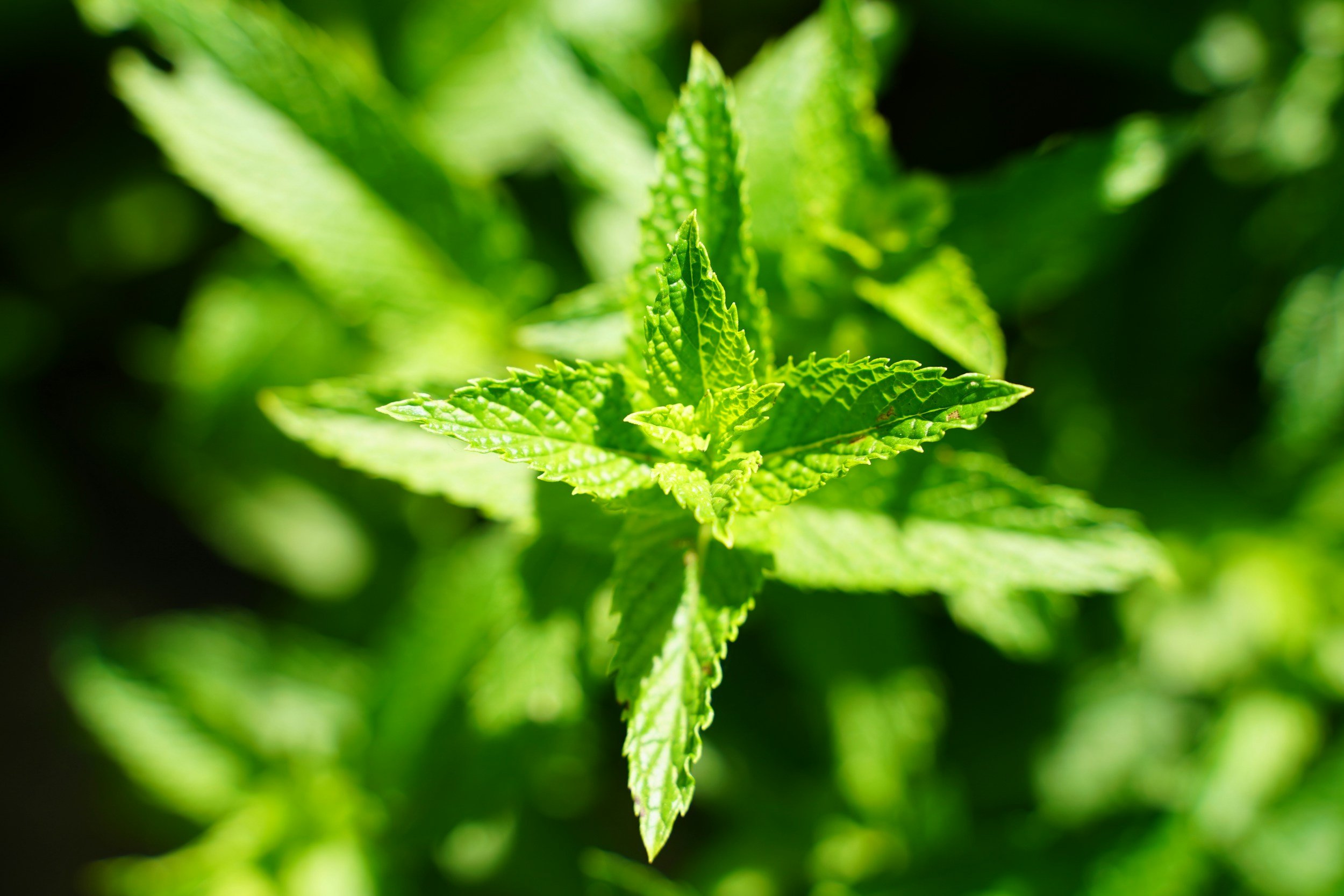
The Gladdening Herb: Lemon Balm's Legacy of Light
Lemon balm (Melissa officinalis) is a perennial herb in the mint family, native to the Mediterranean region and Western Asia. Its botanical name comes from the Greek word melissa, meaning "honeybee," as bees are particularly drawn to its fragrant flowers. This connection to bees and honey reflects the sweetness lemon balm brings—not just in flavor, but in spirit.
The 11th-century Persian physician Avicenna wrote that lemon balm "maketh the heart merry" and "driveth away all troublesome cares." Medieval European monasteries cultivated it extensively, recognizing its value for digestive complaints, nervous tension, and melancholy. Paracelsus, the Renaissance physician, called it the "elixir of life" and believed it could completely revitalize the body.
In traditional European medicine, lemon balm was prescribed for "hysteria," nervous stomach, and what we would now call anxiety-related digestive disorders. Herbalists recognized what modern science is now confirming: that this gentle herb addresses the root cause of many digestive issues—the nervous system's influence on gut function.
What makes lemon balm truly remarkable is its ability to bring relief without sedation. Unlike many calming herbs that make you drowsy, lemon balm lifts the spirits while it soothes, bringing a quality of peaceful alertness that allows you to function while finding relief.
Key Benefits
Calms Nervous Digestion Lemon balm's most celebrated digestive benefit is its ability to ease nervous stomach and stress-induced digestive upset. For those who feel digestive discomfort when anxious, worried, or overwhelmed, lemon balm provides targeted relief by calming the nervous system signals that trigger gut distress.
Powerful Antispasmodic Action Like chamomile, lemon balm relaxes the smooth muscles of the digestive tract, easing cramping, spasms, and the tension that causes so much discomfort. This makes it particularly valuable for stress-related cramping and menstrual digestive upset.
Relieves Gas and Bloating As a member of the mint family, lemon balm shares the carminative properties that help prevent and relieve gas formation. It supports healthy digestion and helps food move smoothly through the digestive tract, reducing the bloating and distension that causes discomfort.
Supports Healthy Gut-Brain Communication Lemon balm is one of the most effective herbs for supporting the gut-brain axis—the crucial two-way communication between our digestive system and our nervous system. By modulating this connection, it helps break the cycle where stress causes digestive issues, which then causes more stress.
Reduces Inflammation Beyond its effects on the nervous system, lemon balm provides anti-inflammatory support throughout the digestive tract. Its rosmarinic acid and other compounds help reduce gut inflammation and protect digestive tissues.
Eases Nausea and Upset Stomach The gentle, uplifting nature of lemon balm makes it particularly effective for nausea, queasiness, and general stomach upset—especially when these symptoms are related to anxiety or nervous tension.
Lifts Mood While Soothing Unlike some calming herbs that simply sedate, lemon balm has a unique quality of lifting the spirits while it soothes. This makes it invaluable for those whose digestive issues are intertwined with low mood, worry, or stress.
Supports Restful Sleep Quality sleep is essential for digestive healing, and lemon balm's gentle calming effects support natural, restorative sleep without the grogginess that comes with stronger sedatives. Better sleep means better digestion, and lemon balm facilitates both.
Traditional Uses
Throughout history, lemon balm has been prepared in numerous ways, often with a focus on its mood-lifting and digestive-soothing properties:
Digestive Teas: Dried lemon balm leaves steeped into fragrant, lemon-scented teas, taken after meals or during times of stress to prevent digestive upset.
Nervous Stomach Remedies: Traditional herbalists specifically recommended lemon balm for those whose digestive issues appeared or worsened during times of stress, anxiety, or emotional upset.
Cordials and Tonics: Lemon balm was a key ingredient in Carmelite water, a traditional European tonic used for nervous complaints and digestive issues, dating back to the 14th century.
After-Meal Digestif: European traditions included lemon balm tea after meals to support digestion, lift the spirits, and create a sense of pleasant, relaxed satisfaction.
Women's Digestive Support: Midwives and herbalists used lemon balm to address the digestive upset and cramping that often accompany menstruation, recognizing its dual action on both nervous tension and physical discomfort.
Children's Remedy: Lemon balm's gentle nature and pleasant taste made it a traditional choice for children's digestive complaints, especially those related to nervousness or stress.
Fresh Leaf Applications: In many traditions, simply crushing fresh lemon balm leaves and inhaling the scent was believed to lift the spirits and ease nervous tension—a form of aromatherapy that modern research supports.
The consistent thread through all these traditional uses is recognition that lemon balm addresses both the physical and emotional aspects of digestive discomfort, never treating the gut in isolation from the spirit.
Flavor Profile
Lemon balm offers a bright, fresh lemon flavor with subtle minty undertones and a hint of natural sweetness. Unlike actual lemon, there's no tartness or acidity—just pure, gentle citrus essence. The taste is refreshing and uplifting, with mild, pleasant aromatics that make it genuinely enjoyable to drink. Many describe it as "sunshine in a cup"—bright, cheerful, and naturally soothing without any bitterness or harshness.
The aroma alone begins the healing process, with its lemon-honey scent signaling to the nervous system that relief is coming. This is part of lemon balm's magic—the experience of drinking it is itself therapeutic.
The Science Behind Lemon Balm's Digestive Benefits
Modern research is validating what traditional herbalists knew intuitively about lemon balm's effects on digestion and mood. The science reveals a sophisticated herb with multiple mechanisms of action:
Active Compounds:
Rosmarinic acid: Powerful anti-inflammatory and antioxidant that protects gut tissues
Citronellal and citral: Aromatic compounds that provide the lemon scent and contribute to calming effects
Eugenol: Offers antispasmodic and anti-inflammatory properties
Tannins: Provide mild astringent effects that support gut lining health
Flavonoids: Offer antioxidant protection and anti-inflammatory support
Research Findings: Studies have demonstrated that lemon balm can significantly reduce anxiety symptoms, improve mood and cognitive function, reduce stress-related digestive symptoms, and provide antispasmodic effects on intestinal smooth muscle. Research on the gut-brain axis confirms that lemon balm's calming effects on the nervous system directly benefit digestive function.
Particularly compelling is research showing lemon balm's effects on GABA receptors in the brain—the same system targeted by anti-anxiety medications, but without the side effects or dependency risk. By modulating these receptors, lemon balm helps calm the nervous signals that trigger digestive distress.
The herb's ability to reduce cortisol (the stress hormone) also contributes to its digestive benefits. High cortisol levels disrupt normal digestive function, and by helping to regulate stress response, lemon balm creates the conditions for healthy digestion.
Incorporating Lemon Balm into Your Digestive Wellness Routine
Morning Ritual Start your day with lemon balm tea to set a tone of calm, focused energy. This is particularly valuable if you experience morning digestive upset or if anxiety tends to settle in your stomach as you face the day ahead.
Stress-Moment Intervention Keep lemon balm tea on hand for those moments when stress begins to rise. Sipping it slowly provides both the physical benefits of the herb and the mindful pause that helps break stress cycles before they trigger digestive symptoms.
After-Meal Support Enjoy lemon balm tea after meals to support digestion, prevent bloating, and create a sense of pleasant, relaxed satisfaction. This traditional practice turns the end of a meal into a moment of self-care.
Evening Wind-Down An hour or two before bed, lemon balm tea helps transition from the day's stress into evening relaxation, supporting both restful sleep and overnight digestive healing.
Combined Approach Lemon balm works beautifully with other digestive and calming herbs. Pairing it with:
Chamomile amplifies calming, antispasmodic effects for comprehensive gut-brain support
Peppermint adds cooling digestive stimulation and enhanced gas relief
Feverfew combines anti-inflammatory actions for deeper digestive support
Ginger provides warming digestive support while lemon balm soothes
Lavender enhances stress-relief and nervous system calming
Stevia leaf adds gentle sweetness that complements lemon balm's natural flavor
Mindful Preparation The ritual of preparing lemon balm tea is itself therapeutic. As you steep the herb, inhale the bright lemon aroma. Let the scent begin to lift your spirits and signal to your body that relief is coming. This mindful approach amplifies the herb's benefits.
Fresh vs. Dried Both fresh and dried lemon balm are effective, though fresh leaves offer a more vibrant flavor and aroma. If you grow lemon balm (it's easy!), fresh leaves can be added to water throughout the day for gentle, ongoing support.
Safety and Considerations
Lemon balm is exceptionally safe, with one of the best safety profiles in herbal medicine. However, there are some considerations:
Thyroid Conditions: Those with hypothyroidism should consult healthcare providers, as lemon balm may affect thyroid function in some individuals.
Sedative Medications: While lemon balm is gentle, those taking sedative medications should consult healthcare providers to avoid excessive drowsiness.
Pregnancy and Nursing: Lemon balm has been used traditionally during pregnancy and nursing, but pregnant women should consult healthcare providers before regular medicinal use.
Surgery: Discontinue lemon balm at least two weeks before scheduled surgery, as it may interact with anesthesia.
Quality Matters: Choose organic lemon balm from reputable sources. The leaves should be vibrant green (not brown) with a strong lemon aroma. Poor quality lemon balm loses both potency and fragrance.
Experience Lemon Balm in Live Aglow's Gentle Gut Glow
At Live Aglow, we've made lemon balm a key component of our Gentle Gut Glow blend, recognizing its irreplaceable role in addressing the gut-brain connection that underlies so much digestive discomfort.
Gentle Gut Glow This signature digestive blend brings lemon balm together with chamomile's soothing calm, feverfew's anti-inflammatory power, slippery elm's protective coating, rosehips' nourishing support, elderflower and echinacea's gentle healing, and stevia leaf's natural sweetness.
Lemon balm's role in this blend is multifaceted:
It provides the bright, uplifting energy that balances the more sedating herbs
Its nervous system support addresses the stress-related component of digestive issues
It works synergistically with chamomile to provide comprehensive gut-brain support
Its pleasant lemon flavor makes the blend genuinely enjoyable to drink
It lifts the spirits while the other herbs soothe the gut, creating holistic healing
Together, these herbs create a formula that recognizes digestive health as inseparable from nervous system health. Lemon balm ensures that Gentle Gut Glow doesn't just treat symptoms—it addresses the stress and tension that so often cause them.
This isn't just digestive support—it's an invitation to a different relationship with stress, with your body, and with the understanding that true wellness addresses both belly and spirit.
Ready to experience lemon balm's joyful healing? Visit our shop at liveaglow.com to discover how Gentle Gut Glow can transform your digestive wellness.
The Medicine of Joy
What makes lemon balm particularly meaningful is that it reminds us that healing can be joyful. In a wellness culture that often emphasizes restriction, discipline, and sometimes-unpleasant remedies, lemon balm offers something different: medicine that smells like sunshine, tastes like lemon-honey, and genuinely lifts the spirit while it heals.
This matters more than we might think. When healing feels good, we're more likely to continue it. When our remedies bring pleasure rather than dread, they become sustainable practices rather than temporary interventions. Lemon balm's gentle, joyful nature makes it something you look forward to rather than something you force yourself to take.
For those experiencing digestive issues intertwined with stress, anxiety, or low mood, lemon balm offers validation: your digestive symptoms aren't "just in your head," but they are connected to your nervous system. This isn't weakness—it's biology. The gut-brain connection is real, profound, and deserves to be addressed as part of digestive healing.
Lemon balm doesn't just acknowledge this connection—it provides practical support for it. By calming nervous tension, lifting mood, and soothing digestive tissues all at once, it treats you as a whole person rather than a collection of isolated symptoms.
Beginning Your Lemon Balm Journey
Whether you're new to herbal digestive support or deepening an existing practice, lemon balm provides an accessible, joyful entry point. Its exceptional safety profile, delicious taste, and mood-lifting properties make it suitable for almost everyone seeking digestive wellness.
Start simply: a cup of lemon balm tea when you notice stress beginning to affect your stomach. Notice not just the physical effects, but the emotional ones—the gentle lifting of tension, the subtle brightening of mood, the sense that maybe, just maybe, everything will be okay.
Over time, you may find that lemon balm becomes more than an herb—it becomes a practice of self-compassion, a reminder that you deserve medicine that brings joy, and a daily affirmation that healing your gut and healing your spirit are not separate journeys but one.
The gut-brain connection means that when we address stress, we support digestion. When we lift our mood, we ease our belly. When we bring joy into our healing practice, we create the conditions for sustainable wellness. Lemon balm facilitates all of this with gentle, sun-bright effectiveness.
As you sip your lemon balm tea, take a moment to appreciate this cheerful herb's journey—from ancient Greek physicians who called it "the gladdening herb" to medieval monks who grew it in monastery gardens, from traditional healers who used it for nervous stomach to your cup, bringing the same gentle relief it has offered for millennia.
In that moment, you're not just drinking tea—you're participating in an ancient practice of using plants to heal, honoring the connection between emotional and physical wellness, and choosing a path where healing and joy walk hand-in-hand.
Let lemon balm remind you that your digestive wellness journey doesn't have to be grim or restrictive. It can be bright, uplifting, and genuinely pleasant. It can taste like lemon and sunshine. It can make you smile while it heals.
Because sometimes, the most powerful medicine is also the most joyful.